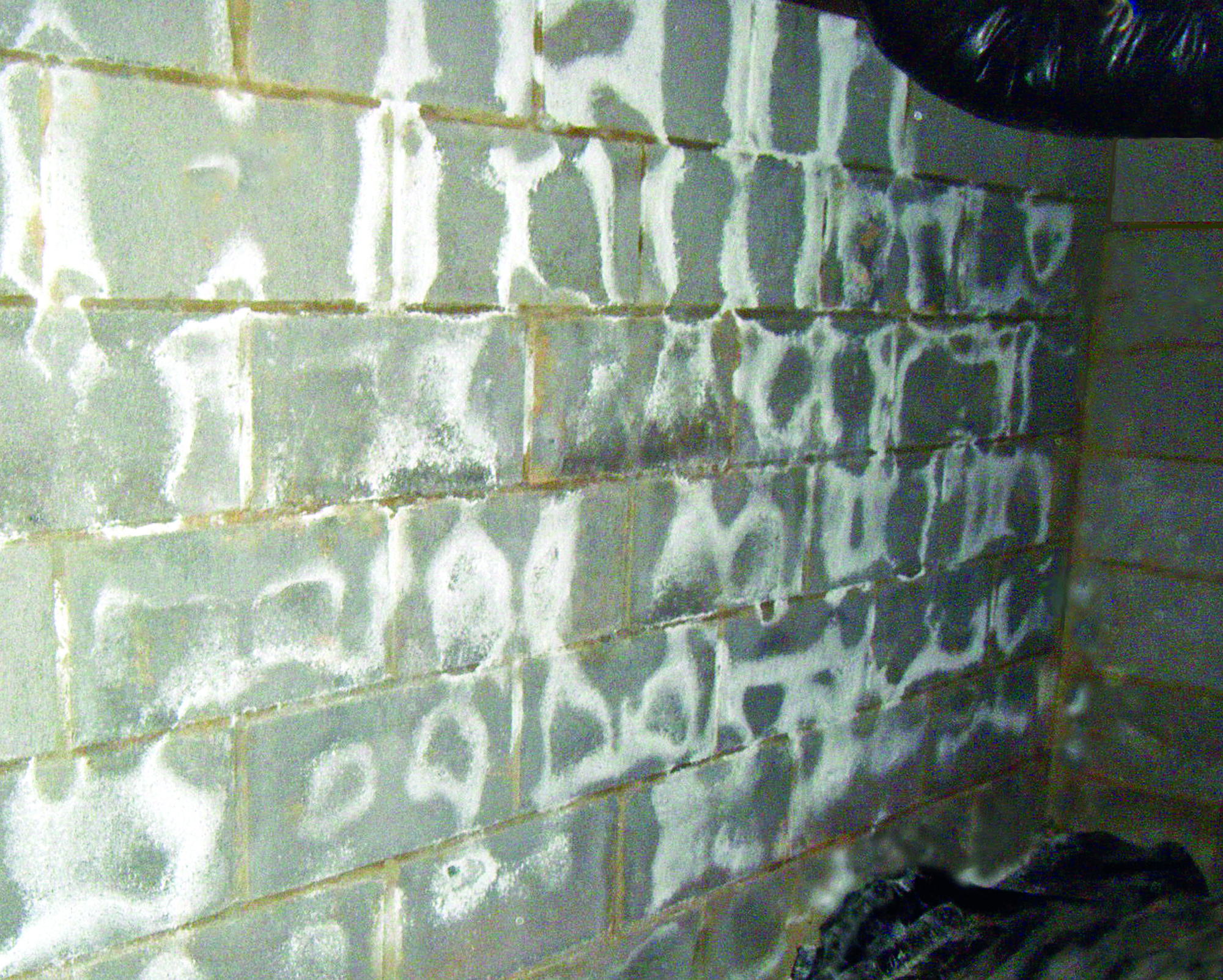
Understanding Efflorescence: The Common Culprits in Your Basement or Crawlspace
Have you noticed a powdery white substance on your basement or crawlspace walls? Don’t panic! This common occurrence, known as efflorescence, is more of a nuisance than a serious threat. Let’s explore why it happens and how to address it with a positive approach.
What’s Behind the White Stuff?
Efflorescence occurs when water moves through concrete or masonry, dissolving salts along the way. As the water evaporates, it leaves these salts behind on the surface. While it may look concerning, efflorescence itself isn’t harmful. However, it can indicate underlying moisture issues that deserve attention.
Common Culprits
- Moisture Intrusion: The primary cause is often water finding its way into your basement or crawlspace. This can happen through tiny cracks, porous materials, or even from the surrounding soil.
- Inadequate Ventilation: Poor air circulation can lead to condensation and moisture buildup, creating ideal conditions for efflorescence.
- Construction Factors: Sometimes, the materials used in construction or the techniques employed can make walls more prone to moisture absorption.
- Exterior Drainage Issues: If water doesn’t flow away from your home properly, it can accumulate near the foundation and seep inside.
Friendly Solutions
Addressing efflorescence doesn’t have to be daunting. Here are some positive steps you can take:
- Improve Waterproofing: Apply sealants to your walls and floors to create a barrier against moisture.
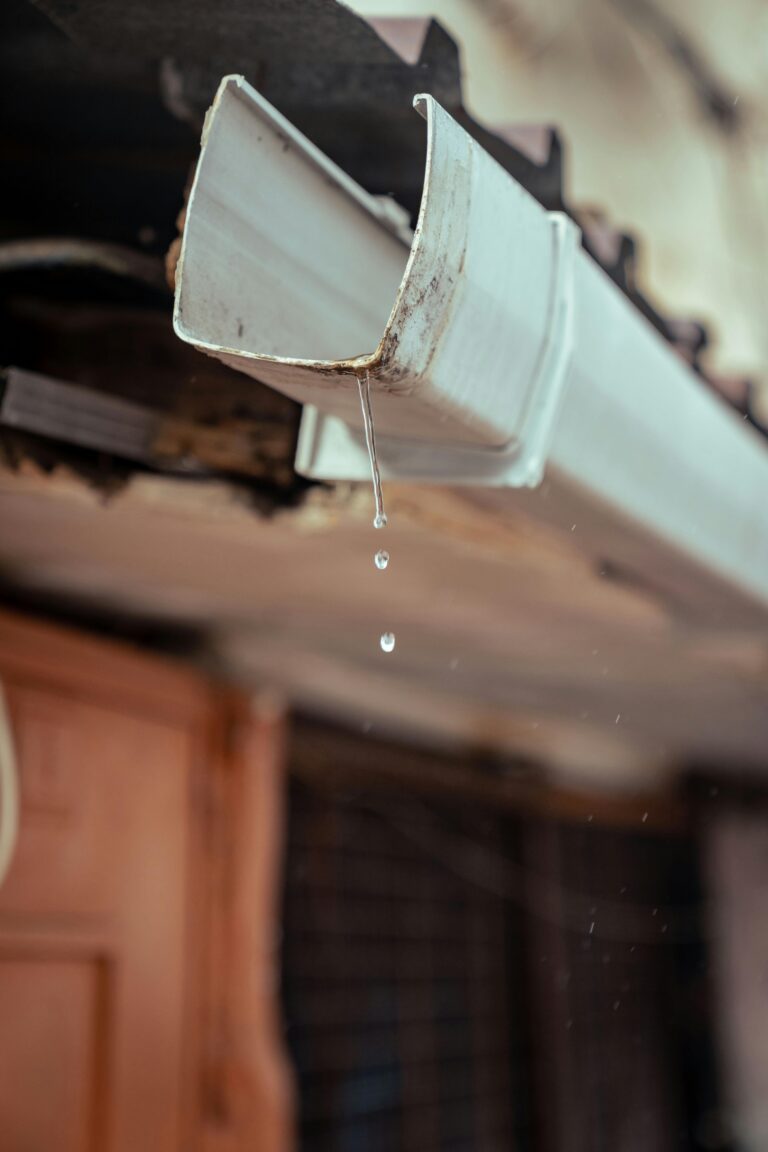
- Enhance Drainage: Ensure your yard slopes away from your home and consider installing or upgrading gutters and downspouts.
- Boost Ventilation: Improve air circulation in your basement or crawlspace to reduce moisture buildup.
- Control Humidity: Use dehumidifiers to maintain optimal moisture levels in these areas.
- Regular Inspections: Keep an eye out for new cracks or signs of water intrusion and address them promptly.
Remember, dealing with efflorescence is about creating a drier, healthier environment in your home’s lower levels. By understanding its causes and taking proactive measures, you can effectively manage this common issue. With a bit of attention and care, you’ll be well on your way to a drier, efflorescence-free space!